

Hajj 2026: 15 health measures UAE pilgrims must follow before travel
Heat safety, hygiene practices and preventive care guidance included in advisory
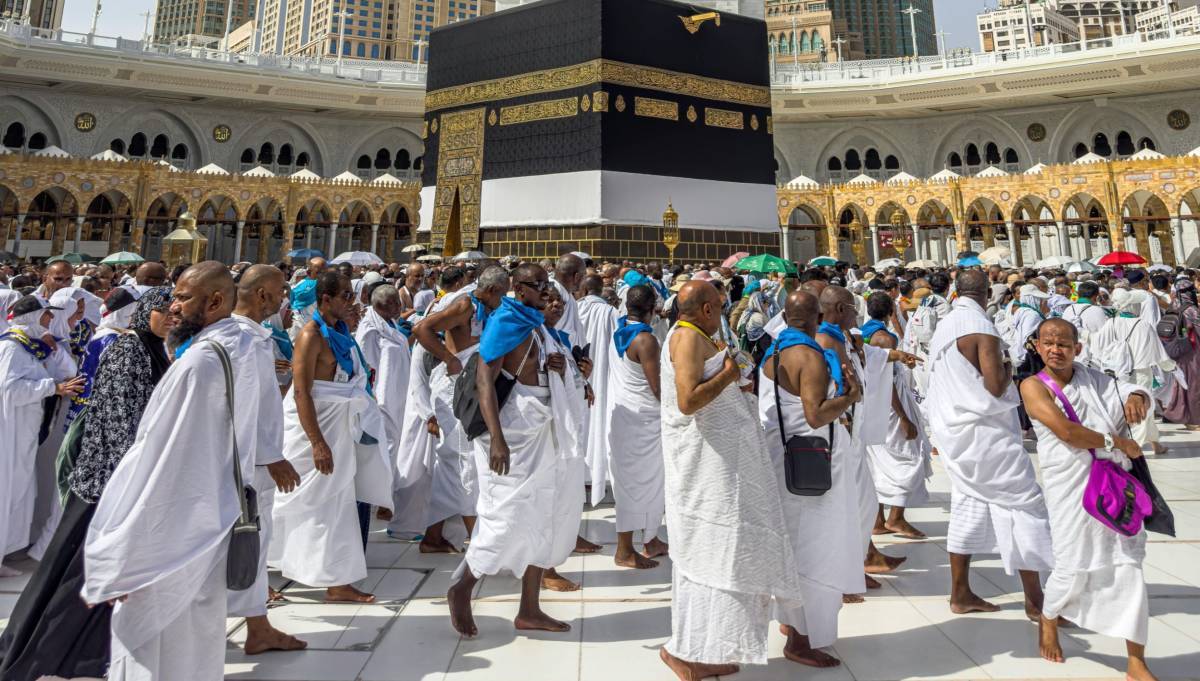
ABU DHABI – The Ministry of Health and Prevention has issued a detailed set of 15 health measures for UAE residents preparing to perform Hajj 2026.
The guidance focuses on vaccinations, medical preparedness, physical fitness and preventive practices during travel and pilgrimage.
Pilgrims are urged to complete all health requirements in advance, with special attention to chronic illness management, hygiene and heat-related risks. The advisory forms part of broader efforts to ensure a safe pilgrimage experience and reduce preventable health complications during Hajj.
Mandatory meningococcal vaccination
Pilgrims must receive the meningococcal vaccine covering all strains. The dose must be taken at least 10 days before travel and should not exceed five years of validity prior to departure.
Seasonal influenza vaccine
The updated influenza vaccine for the 2025–2026 season is strongly recommended to reduce the risk of respiratory infections during large gatherings.
International vaccination record
All administered vaccines must be officially registered on the International Vaccination Card, which is required for verification before travel.
Pre-travel medical consultation
Pilgrims are advised to visit a specialist doctor before departure to assess overall health status and ensure medical readiness for pilgrimage rituals.
Chronic disease medication review
Those with chronic illnesses should consult doctors to adjust medication types or dosages, ensuring stability throughout the journey.
Detailed medical report
A comprehensive medical report outlining health conditions, diagnoses and prescribed medications must be carried for emergency and treatment continuity purposes.
Personal medication supply
Pilgrims should carry sufficient quantities of prescribed medicines in their original packaging to avoid shortages during travel.
Physical fitness preparation
A structured fitness programme is recommended before departure to help the body cope with the physical demands of Hajj rituals.
Balanced nutritional intake
Maintaining a healthy diet before and during travel is encouraged to strengthen immunity and improve physical resilience.
First aid kit preparation
Pilgrims are advised to prepare a kit containing 10 essential items: hand sanitiser, wound disinfectant, fever-reducing medication, painkillers, moisturising creams, burn and allergy ointments, tissues, face masks, scissors and nail clippers.
Personal care essentials
A separate kit should include a toothbrush, toothpaste, metal water bottle, light-coloured umbrella, handheld fan and cotton towels for comfort in varying weather conditions.
Food safety practices
Pilgrims are advised to consume only clean and properly cooked food to minimise the risk of food poisoning during the pilgrimage.
Personal hygiene maintenance
Regular handwashing and general hygiene practices are emphasised to reduce the spread of infectious diseases in crowded environments.
Prepare a first aid kit for your safety and a personal care bag with everything you need to stay fresh and comfortable during your Hajj travel.#MoHAP_UAE#HajjInHealthandComfort pic.twitter.com/PaupMRmMGB
— وزارة الصحة ووقاية المجتمع - MOHAP UAE (@mohapuae) May 5, 2026
Heat and dehydration protection
Preventive steps include staying hydrated, wearing light clothing and taking regular rest breaks to avoid heat exhaustion and heatstroke.
Health symptom awareness and response
Pilgrims are urged to monitor symptoms such as dehydration, fatigue and food poisoning, and seek immediate medical assistance if health issues arise during Hajj.